
Breaking the Cycle of Poverty for Orphans
- Opio John
- Jul 25, 2025
- 4 min read

Poverty is an unkind reality that many orphans face across the globe. For these children, the absence of family often leads to a cycle that is difficult to break. This blog delves into the challenges faced by orphans living in poverty and explores actionable solutions for breaking this cycle. By understanding the factors at play, we can work together to create lasting change.
Ending Childhood Poverty: A Call to Action
When we think about children in poverty, we often picture them lacking basic needs—food, shelter, and education. These fundamental needs are at the forefront of addressing childhood poverty. For orphans, however, these needs are compounded by their status. Without parental guidance and support, orphans lack the ability to escape poverty effectively.
Organizations dedicated to helping these children often focus on providing essential resources. Initiatives such as educational programs, food distributions, and healthcare services are vital in ensuring that orphans receive the support they need to thrive. Implementing community-sponsored meal programs or scholarship funds can lift these children out of poverty and brighten their futures.

According to the United Nations Children's Fund (UNICEF), approximately 140 million orphans exist globally, a staggering number that is often overlooked. Orphans are more likely to face poverty than their peers, but with adequate support, we can change this narrative.
What is the Cycle of Poverty?
The cycle of poverty refers to the complex interplay of factors that keep individuals and families trapped in poverty across generations. For orphans, the cycle can be more challenging due to the following reasons:
Lack of Parental Support: With no parents to guide them, orphans may struggle to navigate life’s challenges, from completing education to finding jobs.
Limited Educational Access: Education is key to breaking free from poverty. Orphans often face barriers such as high school fees or lack of access to quality schools.
Poor Health Outcomes: Health issues can further restrict an orphan's ability to escape poverty. Facilities are often lacking in impoverished areas where many orphans live.
Understanding these factors is crucial for developing effective strategies aimed at uplifting orphans.
Creating Educational Opportunities
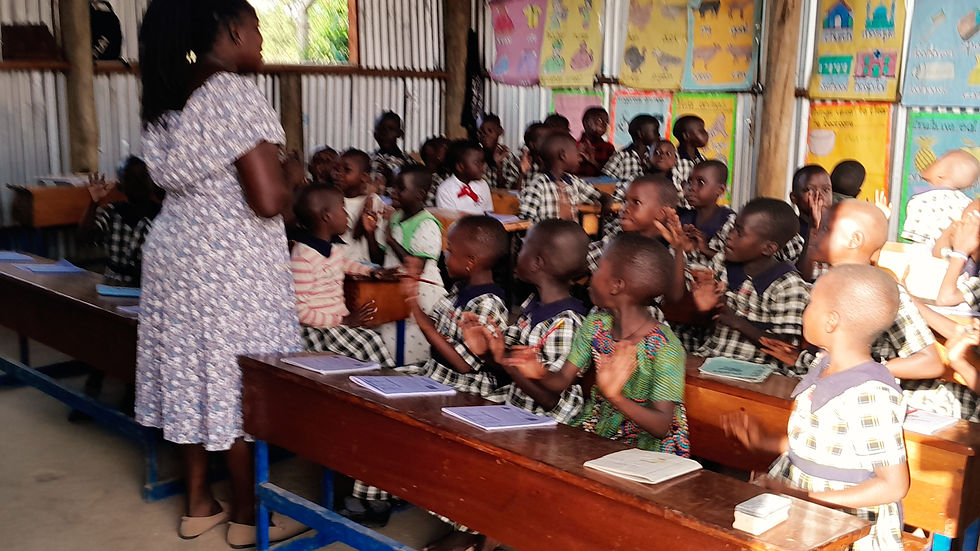
Education is one of the most powerful tools for breaking the cycle of poverty for orphans. Programs that provide scholarships, school supplies, and tutoring can make a significant impact. For instance, organizations that partner with local schools can help ensure that orphans have access to the same quality of education as others in the community.
Additionally, vocational training can give these children skills that empower them to enter the workforce. Knowing trades such as carpentry, plumbing, or sewing can open doors to stable employment and steady income.
Encouraging Community Involvement
Community plays a vital role in supporting orphaned children. When locals rally together to provide resources and mentorship, orphans often feel a sense of belonging. Initiatives such as mentorship programs pair orphans with positive role models who guide them in academics and life skills. These relationships can help orphans gain confidence and learn valuable lessons.
Moreover, communities can come together to create fundraising events. From bake sales to charity runs, these events can gather financial resources needed to support educational programs and provide necessities like clothing and toiletries.
Access to Healthcare
A healthy child is a hopeful child. Orphans are at an increased risk for health issues due to inadequate nutrition and healthcare access. Addressing healthcare is essential for the overall well-being of these children. Local clinics and non-profit organizations can offer regular check-ups, vaccinations, and emergency care.
Programs that provide nutritious meals at schools can also play a crucial role. Good nutrition improves concentration, cognitive ability, and physical health—all vital elements for educational success.

Government Policy and Support
Government policies can also facilitate positive changes for orphans living in poverty. Governments can enact laws that provide financial aid to families fostering or adopting orphaned children. Creating specific programs that funnel money into community services aimed at vulnerable children can result in substantial change.
Laws that increase educational funding, endorse food programs, and improve healthcare can all work to break the cycle of poverty for orphans. Advocacy is vital here, as change often begins with community voices coming together to demand better for their children.
Empowering Orphans through Life Skills Development
Life skills education equips orphans with the tools they need to thrive in adulthood. Teaching children about finance, nutrition, and emotional resilience can significantly reduce their vulnerability as they transition into independent living.
Programs that focus on these skills can empower orphans to make informed decisions, budget wisely, and handle stress effectively. Workshops and training sessions led by compassionate adults can offer these essential lessons.
Through these interventions, we can create a pathway for children to enter adulthood with the skills they need to break free from the cycle they were born into.

Joining Hands for a Brighter Future
Collaboration among non-profit organizations, governments, and communities paves the way for innovative solutions to alleviate orphan poverty. By joining forces, these entities can pool resources and share best practices that yield results.
The commitment to end childhood poverty by focusing on orphans is a shared responsibility. It requires the full engagement of all community members, from individuals to businesses, to come together. Building awareness through social media campaigns, community discussions, and outreach programs can help raise funds and encourage support.
Breaking the cycle of poverty for orphans is not just a possibility—it's a necessity. Until we collectively work towards this goal, we will continue to witness the devastating impacts of childhood poverty.
The journey is long, but it is achievable with commitment and compassion. By focusing on educational initiatives, healthcare access, community involvement, and government support, we can help shape a future where every child has the right to grow up in a safe and nurturing environment. Let us stand together, united in the mission to ensure that no child faces poverty alone.
Donate today!

Comments